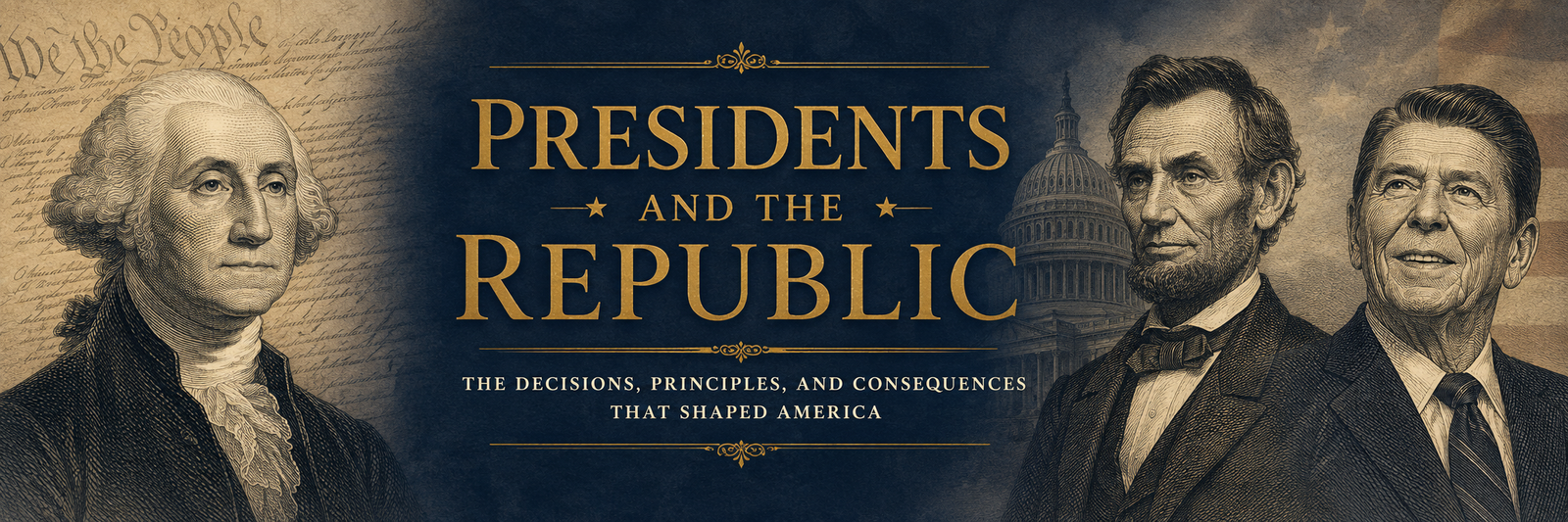
8th President • 1837–1841
Martin Van Buren
The brilliant political organizer who helped build the Democratic Party inherited Andrew Jackson’s movement—and almost immediately faced a devastating financial panic. His presidency tested whether party mastery could become effective crisis leadership.

Why He Matters
The Party Builder Who Could Not Master the Depression
Van Buren helped create disciplined national party competition and believed organized parties could restrain sectional conflict. Yet the Panic of 1837 made him appear detached from the suffering of ordinary Americans.
Architect of Party Government
Known as the “Little Magician,” Van Buren built coalitions, organized conventions, cultivated newspapers, and helped unite northern and southern Democrats.
The Panic of 1837
Banks suspended specie payments weeks after his inauguration. Businesses failed, unemployment rose, and a long depression followed.
The Independent Treasury
Van Buren separated federal funds from private and state banks. The system protected public revenue from bank failures, though it offered little immediate relief to the wider economy.
Jackson’s Troubled Inheritance
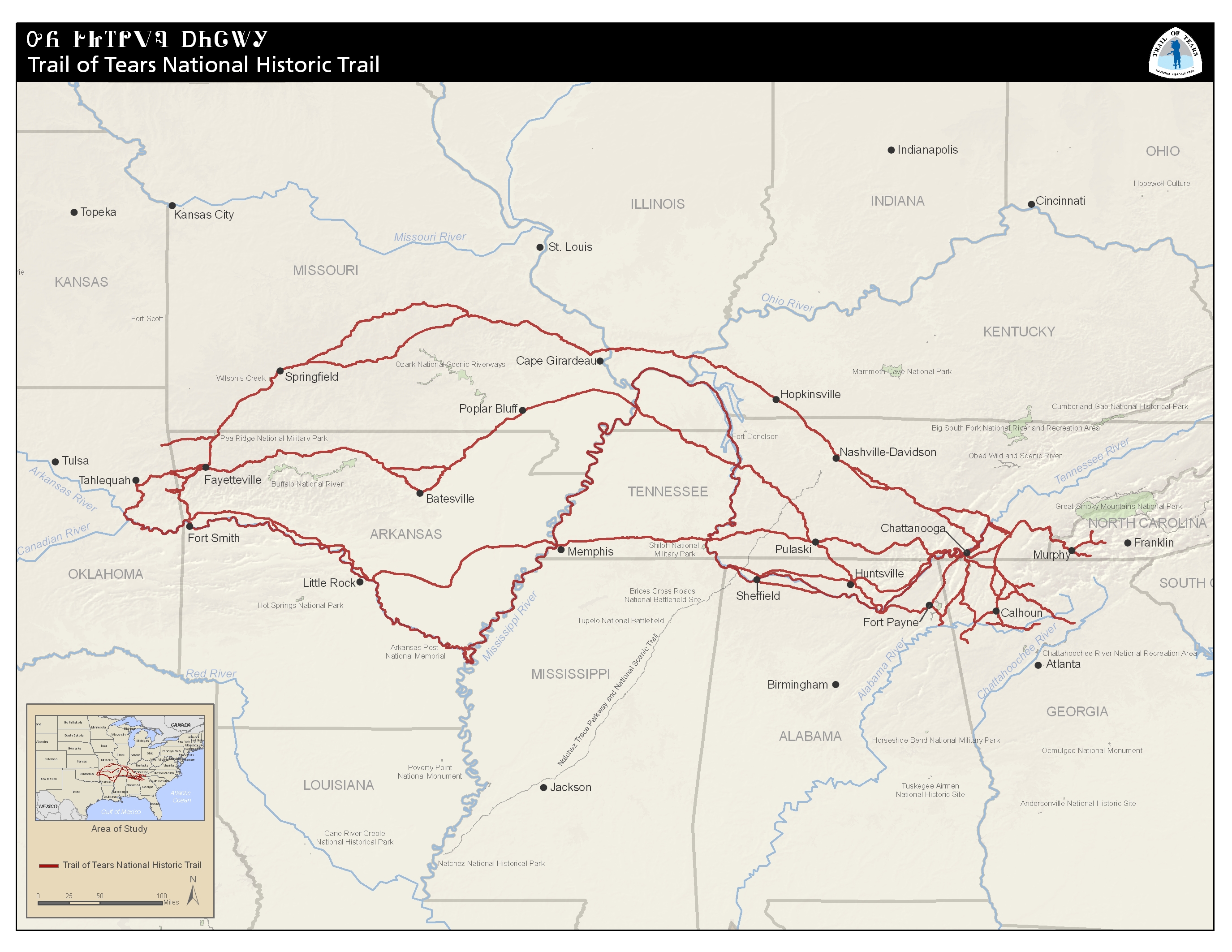
He continued Indian removal, including the forced Cherokee migration, and defended the administration’s pro-Spanish position in the Amistad case.
The Road to the Presidency
From Kinderhook to the White House
Born in Kinderhook, New York, Van Buren was the first president born after independence and the only president whose first language was Dutch.
He rose through New York politics and helped organize the Albany Regency, a powerful network built on discipline and patronage.
As a U.S. senator, he worked to create a national Democratic coalition around Andrew Jackson.
Jackson appointed him secretary of state, and Van Buren became one of the president’s most trusted advisers.
He served as vice president and became Jackson’s chosen successor.
Van Buren defeated a divided Whig opposition but inherited unstable banks and speculative markets.
Defining Decisions
Six Tests of Van Buren’s Leadership
Answering the Financial Panic
Van Buren called a special session but rejected federal relief and a new national bank. He believed government should secure its own finances without managing the entire economy.
Creating the Independent Treasury
He persisted through congressional resistance until the Independent Treasury became law in 1840. The Whigs repealed it in 1841, but it returned in 1846.
Completing Cherokee Removal
Van Buren ordered General Winfield Scott to enforce the Treaty of New Echota. Thousands of Cherokee people were confined in camps and forced west.
Continuing the Seminole War
His administration pursued a costly Florida campaign. Seminole resistance continued beyond his presidency.
Avoiding War With Britain
Border conflict in Maine, the Canadian rebellion, and the Caroline affair could have produced war. Van Buren enforced neutrality and used diplomacy.
Appealing the Amistad Case
Seeking to satisfy Spain and avoid sectional conflict, his administration appealed after a court recognized the captive Africans’ freedom. The Supreme Court rejected the government’s position.

Constitution & Power
Party Government Within a Limited Presidency
Van Buren inherited Jackson’s stronger presidency but exercised it with less personal force.
He defended executive independence and used federal authority to enforce removal and neutrality. Economically, however, he resisted direct federal rescue of businesses or control of credit. The Independent Treasury drew a boundary between public revenue and private banking.
“The less government interferes with private pursuits, the better for the general prosperity.”Martin Van Buren • Special Message, 1837
The central contradiction: Van Buren invoked limited government when citizens sought economic relief, yet used substantial federal power to remove Native peoples and continue war in Florida.
Economy
The Panic That Defined a Presidency
The Panic of 1837 had no single cause. Speculative lending, unstable state banks, Jackson’s destruction of the national bank, the Specie Circular, falling cotton prices, and tightening British credit all contributed. Van Buren inherited these forces, but voters judged the president in office.
His Independent Treasury protected federal revenue by keeping deposits outside commercial banks. The reform addressed corruption and institutional risk, but it did not reopen failed businesses, restore jobs, or quickly expand credit. A partial recovery gave way to another contraction in 1839.
The economic verdict
Van Buren’s treasury reform had lasting value, but his narrow understanding of federal responsibility left him without a convincing public answer to unemployment and business failure.
Slavery & Sectional Politics
Union Before Justice
Van Buren built the Democratic Party by joining northern voters to southern slaveholding interests. He opposed federal interference with slavery in the states and resisted abolition in the District of Columbia without the consent of slaveholding states.
His opposition to immediate Texas annexation was cautious rather than abolitionist: he feared war with Mexico and a sectional crisis. In the Amistad case, his administration supported Spain’s demand to return Africans kidnapped into the illegal slave trade. John Quincy Adams later argued for the captives, and the Supreme Court recognized their freedom.
A later change: In 1848, Van Buren ran as the Free Soil candidate and opposed slavery’s expansion into the western territories—a meaningful shift that came after a presidency devoted to preserving a coalition dependent on slaveholding power.
Faith & Character
Discipline, Sociability, and Political Calculation
Dutch Reformed Roots
Van Buren grew up in the Dutch Reformed tradition and maintained a formal connection to that religious culture, though he left little evidence of an intensely theological public identity.
A Master of Relationships
Warm, polished, and tactful, he understood ambition, loyalty, coalition, and organization better than nearly any politician of his generation.
Principle and Calculation
He accepted political loss over Texas annexation, yet his positions on slavery and the Amistad show how often party unity outweighed justice.
Resilience After Defeat
After losing in 1840 and the Democratic nomination in 1844, his 1848 Free Soil campaign helped place opposition to slavery’s expansion into national politics.
The Election of 1840
When Organization Met Political Theater
The Whigs portrayed Harrison as a humble frontier soldier and Van Buren as a pampered occupant of the White House. Parades, songs, log cabins, and hard-cider symbols overwhelmed the incumbent’s defense of his record.

Presidential Scorecard
Van Buren’s Record
Limited-Government Democrat
Resisted broad economic intervention while preserving a capable administrative presidency.
Controlled but Consequential
Less dominant than Jackson, but forceful in removal, war, and neutrality.
Reform Amid Failure
Built the Independent Treasury but failed to relieve or politically master the depression.
Prudent
Avoided war with Britain and delayed Texas annexation amid serious risks.
Master Organizer
Helped construct the Democratic Party but could not protect it from crisis.
Seriously Compromised
Cherokee removal and the Amistad appeal overshadow his later Free Soil turn.
Lasting Legacy
A Founder of Modern Politics, Not a Master of the Presidency
Van Buren helped Americans accept permanent political parties as instruments for organizing popular government. National coalitions, conventions, disciplined messaging, and party newspapers became permanent features of democracy.
As president, he displayed constitutional restraint and diplomatic prudence, but appeared remote during depression. His commitment to party unity also drew him into profound injustices, especially Cherokee removal and the attempt to return the Amistad captives.
Final assessment
Martin Van Buren understood how to build political power better than he understood how to reassure a suffering nation. The Independent Treasury and avoidance of war deserve credit. Yet the economic crisis exposed the limits of his philosophy, while his treatment of Native peoples and the Amistad captives shows how preserving a coalition can become a moral failure.
Sources & Further Reading
Trace the Evidence
- Miller Center: Martin Van Buren
- Library of Congress: Martin Van Buren Papers
- National Archives: Papers of Martin Van Buren
- Miller Center: Domestic Affairs
- National Park Service: Trail of Tears
- National Archives: The Amistad Case
- American Presidency Project: Special Session Message of 1837
- The Papers of Martin Van Buren